
"coffee cherry growth"
2000 article(s) found

The birth of coffee beans (1) Coffee trees from planting to fruiting
Coffee trees take 3-5 years from planting to fruiting. 6-10 years of coffee trees are the most likely to bear fruit, about 15-20 years, is the harvest period. Coffee trees are usually bred in nurseries and grow into saplings, and then moved to coffee farms a year later, in full compliance with the way the Arabs planted and cultivated coffee trees. Coffee trees will continue to take root downward and upward in the first four or five years of their growth.
The birth of Fine Coffee Culture and Common sense Coffee beans
The lifetime of a coffee tree takes 3-5 years from planting to fruiting. 6-10 years of coffee trees are the most likely to bear fruit, about 15-20 years, is the harvest period. Coffee trees are usually bred in nurseries and grow into saplings, and then moved to coffee farms a year later, in full compliance with the way the Arabs planted and cultivated coffee trees. Coffee trees will continue to decline in the first four or five years of growth.

What are the environmental and climatic requirements of coffee trees? What are the types of coffee trees?
Professional coffee knowledge exchange more coffee bean information please follow the coffee workshop (Wechat official account cafe_style) what is a coffee tree? Coffee tree is a shrub or small tree of Rubiaceae; leaves opposite, leathery, long ovate; every March, the branches will appear white flowers, petals spirally arranged, the heart of the flowers jump around the petals, take a closer look, it looks like a small child.
A brief introduction to the basic knowledge of Coffee
The origin of the coffee tree is Ethiopia in Africa. In botany, coffee trees belong to the evergreen trees of the subgenus Rubiaceae, and coffee beans, commonly known as coffee beans, are actually the seeds of the fruit of coffee trees. They are called coffee beans only because they are shaped like beans. Climate is the decisive factor for coffee cultivation. Coffee trees are only suitable for growing in the tropics or subtropics, so latitude 25 degrees south and north.

There are two varieties of coffee: Arabica and Robusta.
At present, the main varieties of coffee grown in the world come from two original varieties: Arabica and Robusta. The planting methods, growth environment and other conditional characteristics of the two are different, and even the caffeine content is quite different. Arabica Robusta is mainly found in tropical Central and South America, Madagascar in west-central and eastern Africa, and Indonesian species in Asia.

There are two varieties of coffee: Arabica and Robusta.
At present, the main varieties of coffee grown in the world come from two original varieties: Arabica and Robusta. The planting methods, growth environment and other conditional characteristics of the two are different, and even the caffeine content is quite different. Arabica Robusta is mainly found in tropical Central and South America, Madagascar in west-central and eastern Africa, and Indonesian species in Asia.
There are two kinds of coffee: Arabica and Robusta.
At present, the main varieties of coffee grown in the world come from two original varieties: Arabica and Robusta. The planting methods, growth environment and other conditional characteristics of the two are different, and even the caffeine content is quite different. Arabica Robusta is mainly found in tropical Central and South America, Madagascar in west-central and eastern Africa, and Indonesian species in Asia.

What are the flavor and taste characteristics of Yejia Xuefei red cherry coffee beans? Introduction to Red Cherry Project Coffee
Communication of professional baristas Please follow the coffee workshop (Wechat official account cafe_style) Red Cherry project coffee beans in plastic inner bags (GrainProbags or vacuum box) immediately after the place of origin treatment is completed, and then shipped to Djibouti for shipping. Transparent

How is the coffee made by hand at Columbia Sweet Cherry Paradise Manor? is it good in Colombia?
Professional coffee knowledge exchange more coffee bean information please follow the coffee workshop (Wechat official account cafe_style) Cauca Cauca province is located in the southwest of Colombia, accounting for 8% of Colombia's total coffee production. It is a certified coffee producing area in Colombia, with an average elevation of 1758 meters above sea level, and the highest elevation can rise to 2100 meters. Cauca is 80% mountainous, with other products.

A brief introduction to the History and Culture of the Origin and Development of Micro-La Sachi Fine Coffee beans in the Solar Tank Manor in Costa Rica
The natural treatment process is quite laborious. Hand-harvested high-sugar cherries are first placed in an African viaduct in the sun for about 10 days, and then placed in a plastic cloth-covered greenhouse to create more direct heat and continue to dry until the water content reaches 11.5%. The slow drying process allows raw beans to develop more natural sweetness from within, but it also needs to be taken care of more carefully.

Understanding the planting and Distribution of Coffee trees
The planting and distribution of coffee trees the origin of coffee trees is in Ethiopia, Africa. In botany, coffee trees belong to the evergreen trees of the subgenus Rubiaceae, and coffee beans, commonly known as coffee beans, are actually the seeds of the fruit of coffee trees. They are called coffee beans only because they are shaped like beans. Climate is the decisive factor for coffee cultivation, and coffee trees are only suitable for growing in the tropics or subheat.

Fine Coffee the planting requirements and conditions of Coffee trees
The origin of the coffee tree is Ethiopia in Africa. In botany, coffee trees belong to the evergreen trees of the subgenus Rubiaceae, and coffee beans, commonly known as coffee beans, are actually the seeds of the fruit of coffee trees. They are called coffee beans only because they are shaped like beans. Climate is the decisive factor for coffee cultivation. Coffee trees are only suitable for growing in the tropics or subtropics, so latitude 25 degrees south and north.

Costa Rica Tanks Manor Coffee How to come Costa Rica coffee beans how to classify
Professional barista communication please pay attention to coffee workshop (Weixin Official Accounts cafe_style ) natural treatment process is quite labor-intensive, hand-harvested high-sugar cherries, first placed in Africa elevated shed sun for about 10 days, and then placed in plastic cloth-covered greenhouse, create more direct heat, continue to dry, until the moisture content reaches 11.5%. The slow drying process allows the green beans to grow from

Boutique coffee-two varieties of coffee: Arabica and Robusta
At present, the main varieties of coffee grown in the world come from two original varieties: Arabica and Robusta. The planting methods, growth environment and other conditional characteristics of the two are different, and even the caffeine content is quite different. Arabica Robusta is mainly found in tropical Central and South America, Madagascar in west-central and eastern Africa, and Indonesian species in Asia.

Two varieties of coffee are classified into Arabica and Robusta
At present, the main varieties of coffee grown in the world come from two original varieties: Arabica and Robusta. The planting methods, growth environment and other conditional characteristics of the two are different, and even the caffeine content is quite different. Arabica Robusta is mainly found in tropical Central and South America, Madagascar in west-central and eastern Africa, and Indonesian species in Asia.
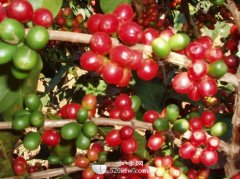
Coffee trees grow Coffee trees, Coffee Flowers and Coffee fruits
The coffee tree is an evergreen tree with small white flowers and green fruit that does not turn red until it is ripe. A normal coffee tree can usually grow to a height of 5 to 10 meters, but bean farmers often prune it to less than 2 meters for harvest convenience. After flowering, there are many dark green oval fruits, and the mature fruits change from dark green to bright red, due to the color and cherry.

Introduction of two major features of Dominican coffee description of Caribbean cherry flavor of Dominican coffee
Https://www.gafei.com/duominijia/20180920124746.html professional coffee knowledge exchange more coffee bean information please follow coffee workshop (Wechat official account cafe_style) Dominica coffee PeaBerry (Caribbean cherry), producing area is BARAHONA, sieve 14up, producing area is more than 1400 meters high, annual output is rare, this year Taiwan only
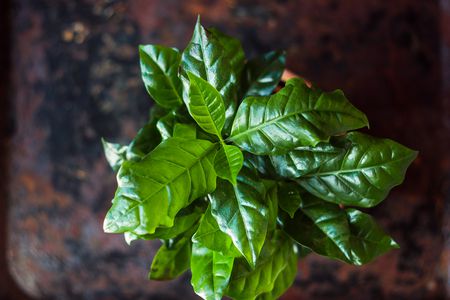
Areas and conditions suitable for growing coffee | how to grow Arabica coffee?
Professional coffee knowledge exchange more coffee bean information Please pay attention to the coffee workshop (Wechat official account cafe_style) Coffee planting areas and conditions since the coffee-producing countries we often come into contact with are tropical and subtropical climates between the Tropic of Cancer and Cancer, some people may take it for granted that coffee grows in the high temperature tropics, but in fact, coffee is usually planted.

What kind of planting environment do coffee trees need to have? do coffee trees require a high planting environment?
The first flowering period of the coffee tree is about three years old. the white five-petal tube-shaped flowers are filled with a faint scent of jasmine and the inflorescences are arranged in dense clusters. Flowers wither after two or three days of blooming and begin to bear fruit after a few months. The fruit is a drupe with a diameter of about 1.5 cm, which is green at first, then turns yellow gradually, and turns red after ripening, which is very similar to cherries.

Carmen Manor Coffee Cherry semi-washable Coffee beans in Panama
The microclimate of the Panamanian highlands is the most important resource that makes Panamanian coffee unique. The most important resource that makes Panamanian coffee unique is its microclimate. The east-west environment of the Republic of Panama allows cold air to flow through the Central Mountains and converge above 6500 feet, creating a variety of microclimates in the Boquete and Volcn Candela regions.